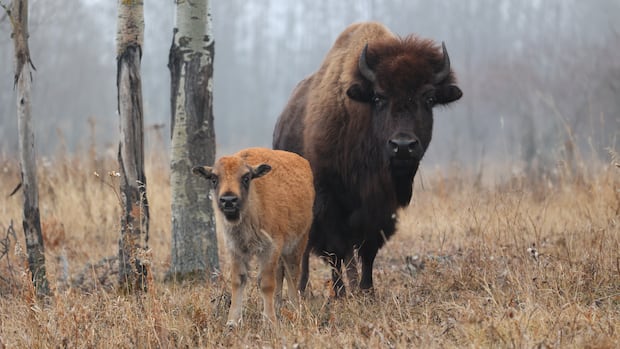
The bison, once abundant across North America, faced near-extinction before their genetic decoding shed light on their transformation. A recent study, featured in the journal Science, examined 160 bison genomes spanning 20,000 years, with contributions from around 40 scientists, including Canadians. Led by Jonas Oppenheimer at the Paleogenomics Lab in the University of California, Santa Cruz, the research aimed to aid conservation efforts by unraveling the animal’s genetic history.
Formerly interconnected, bison now exist in isolated populations, posing resilience challenges due to genetic fragmentation. Oppenheimer highlighted the significant genetic shift, emphasizing the impact of a past bottleneck event caused by human activity.
By analyzing ancient and modern bison DNA, researchers established a comprehensive genetic map of the species. They sourced DNA from managed herds in Canada and the United States, as well as from ancient specimens curated by organizations like Parks Canada and the Royal Alberta Museum.
The study unveiled the divergence between wood bison and plains bison, underscoring their distinctiveness. It revealed that human interventions and environmental changes in the past led to genetic mixing, necessitating separate management strategies for the two subspecies.
The findings contribute to conservation efforts, offering insights to prevent inbreeding and restore genetic diversity among isolated herds. Collaborative initiatives like the Bison Integrated Genomics project aim to preserve bison populations through genetic preservation strategies.
Understanding the genetic legacy of bison populations can guide future conservation practices, ensuring the preservation of their diverse genetic heritage.