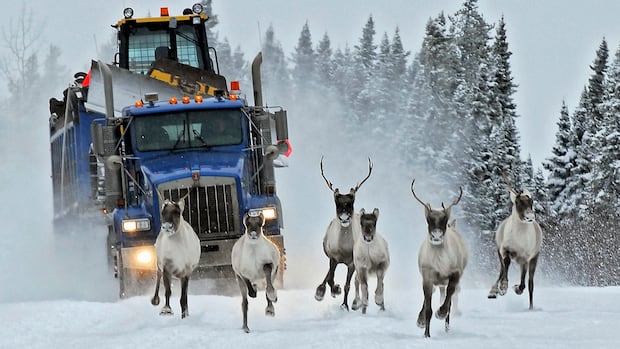
A scenario where endangered species in Canada face extended delays before receiving protection decisions from the government was highlighted in a recent study. The research revealed that out of 288 species deemed at risk since 2017, only 17 had reached the final decision-making stage by the federal cabinet body known as the Governor in Council within the recommended timeline. Conversely, a significant portion of 153 species, including caribou, beluga whales, and lake sturgeon, were past due for decisions as of January 25, 2025.
The study pointed out a bottleneck in the Species at Risk Act (SARA), where there is no statutory deadline for a crucial stage of the assessment process despite Ottawa’s suggested timelines for progress. The delays in listing decisions, which can trigger essential habitat protections and recovery plans, have raised concerns as the required actions are crucial for the survival of these vulnerable species.
Peter Thompson, the lead author of the study and a postdoctoral researcher at Simon Fraser University, emphasized that the government consistently fails to meet its set timelines of one to two years for species assessments. This delay impacts various species, such as the Saskatchewan-Nelson River population of lake sturgeon, which has been awaiting a federal listing decision since 2017 despite being designated as endangered due to significant population declines.
The absence of a clear timeline for moving assessments forward has been attributed to the delays, allowing governments to postpone challenging decisions involving conservation and economic interests. The study highlighted the importance of timely decisions to ensure habitat protections and prevent further declines in species populations.
Moreover, the study noted that aquatic species faced significant delays, with marine mammals and fish being particularly affected. The lack of progress in forwarding assessments for these species underscores the urgency of addressing the delays to safeguard biodiversity and ecosystems.
Experts emphasized that the protection of habitats is crucial for species survival and cultural significance, especially for Indigenous communities whose traditions and livelihoods are intertwined with these species. The study also highlighted the need for transparency and efficiency in the decision-making process to ensure timely protections for endangered species.
In response to the study’s findings, government departments acknowledged the challenges and complexities in listing aquatic species under SARA. Efforts are being made to address the delays and expedite the decision-making process to provide the necessary protections for at-risk species.
Overall, the study underscores the need for a more streamlined and efficient process to ensure timely protection decisions for endangered species and their habitats. The delays in listing decisions have significant implications for biodiversity and the preservation of vital ecosystems, necessitating prompt actions to mitigate further threats to vulnerable species.