Thousands of prairie pothole marshes, known as nature’s kidneys for their cleansing abilities, are found in southwestern Manitoba. Despite their significance, ecologist and University of Manitoba associate professor Gordon Goldsborough points out the lack of province-wide monitoring of these vital ecosystems. Goldsborough advocates for the adoption of a standardized wetland assessment approach, similar to the one he and his students have been employing for over a decade to gather data on wetland conditions, a resource that has yet to be utilized by the government.
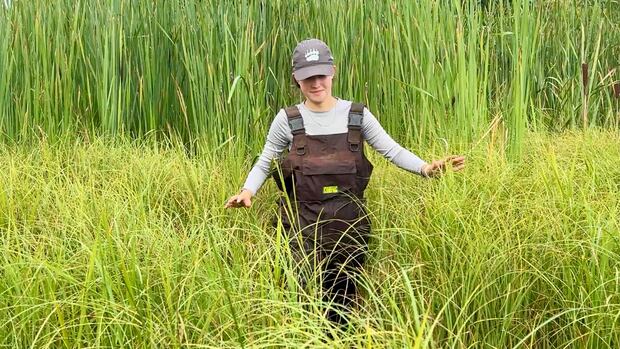
Every summer, students from the faculty of science participate in a two-week wetland ecology course led by Goldsborough. This year, 19 students engaged in fieldwork at various wetlands, including Delta Marsh, Shoal Lake, CFB Shilo, and the Prairie Pothole Region near Minnedosa. These unique wetlands, formed by retreating glaciers, are classified into five categories based on water retention duration, ranging from Class 1 (short duration) to Class 5 (year-round water presence).
The students meticulously study the potholes, categorizing them and documenting plant life such as cattails, bulrushes, and giant reeds. Their hands-on experiences have left a lasting impact, with one student, Lauren Musgrove, expressing enthusiasm for wetland conservation and the diverse wildlife that thrives in these environments. Goldsborough emphasizes the educational and societal value of the annual data collection efforts, highlighting the students’ potential future roles in wildlife biology and conservation.
While the provincial government lacks a dedicated wetland monitoring program, it protects Class 4 and 5 wetlands from drainage, ensuring their preservation. Goldsborough and his students remain committed to their data collection mission, hoping for continued support and utilization of their findings by governmental bodies.