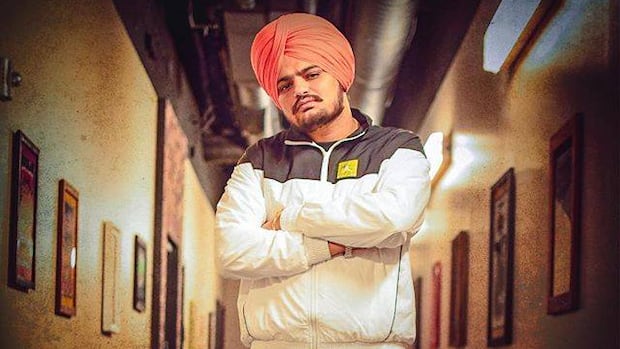
Ravinder Sidhu and his sister Nav journeyed from India to Toronto to attend Sidhu Moose Wala’s Signed to God world tour premiere at Scotiabank Arena last Friday, investing $550 each for tickets. They anticipated a unique experience as the Punjabi rapper, who initiated his music career in Canada, tragically passed away in 2022 when gunmen shot at the vehicle he was in near his hometown in Northern India. To fill Moose Wala’s absence, a hologram took center stage on Friday, showcasing the technology’s capability to offer a remarkable fan encounter at a premium cost.
Expressing their excitement, Ravinder shared with CBC News outside the venue, “Maybe it will be futuristic. We can’t express it. We’re over-excited.” Another fan, Harry Singh, disclosed that he paid $270 for his ticket, in addition to airfare from California. Singh mentioned that ticket prices surged to $1,500 closer to the event but he secured a bargain by purchasing early.
The hologram concert tickets for the Toronto show, available online, were priced at almost $2,000 before taxes and fees, with similar prices expected for the upcoming Vancouver stop. Singh commented on the anticipated realism of the hologram performance, stating, “They’re saying it’s going to look like it’s completely real, but we’ll find out.”
Following the show, Singh reported that the concert showcased an unreleased song titled “Rebirth” and featured a live appearance by the late rapper’s younger brother. Singh captured a video during the event, portraying a sea of smartphones raised in the air as attendees sang along with the hologram of Moose Wala on stage.
Sidhu Moose Wala’s musical journey flourished while residing and studying as an international student in Brampton, Ontario, which houses a significant Punjabi diaspora community. Moose Wala frequently paid tribute to the city in his lyrics and music videos, notably in his 2018 track “B-Town,” dedicated to Brampton.
The rise of digital-first performances, as noted by music journalist and historian Alan Cross, is gaining momentum. He cited the success of Abba Voyage in London, featuring de-aged digital avatars of the iconic Swedish pop group performing with a live 10-piece band. Cross emphasized that the holographic concert trend is fueled by aging rock stars, music catalog acquisitions, and tech-savvy audiences embracing digital experiences.
Proto founder David Nussbaum highlighted the potential of hologram technology to revive deceased stars, mentioning their collaboration with Jack and Sharon Osborne to recreate Ozzy Osbourne as an “agentic AI avatar.” Nussbaum underscored the avatar’s ability to engage with fans in various languages, offering a personalized and immersive experience.
The evolution of hologram technology in entertainment has been ongoing for years, with advancements improving the quality and realism of holographic performances. The industry is moving towards integrating lifelike, AI-powered holograms into various settings, from music concerts to healthcare and education.
Looking ahead, industry experts anticipate that holographic experiences will become more accessible, potentially integrated into consumer devices like smartphones, offering advanced 3D AI capabilities for immersive multimedia interactions. The progression towards mainstream holographic technology is seen as inevitable in the evolving digital landscape.