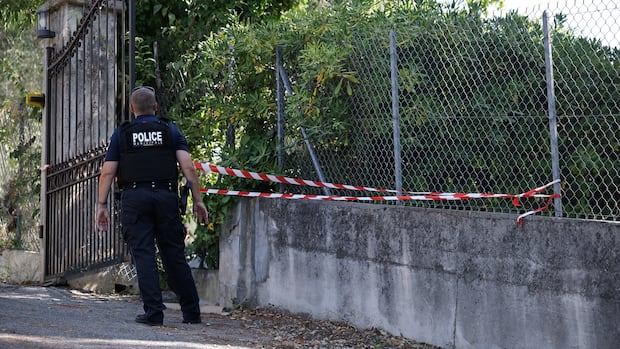
Art theft experts suggest that a high-profile heist at the Louvre last year has triggered a series of bold art thefts across Europe, posing challenges for museums holding valuable pieces. In a recent incident, thieves broke into the Renoir Museum in Cagnes-sur-Mer on the French Riviera by cutting a hole in a fence and stealing four paintings. During the chase, two of the stolen works were dropped. Pierre-Auguste Renoir’s impressionist paintings are highly valued, fetching tens of millions of dollars in sales.
Anthony Amore, an expert on art theft from Boston, Massachusetts, observed that the Renoir theft is part of a pattern of notable incidents following the Louvre’s $140 million heist of Napoleonic jewelry in Paris. Amore described the scale of these thefts as unprecedented in his two decades of experience. Despite the arrest of four suspects in the Louvre robbery, most of the stolen jewels are still missing.
Experts have highlighted similarities between recent thefts, such as the robbery at the Fondazione Magnani Rocca museum in Italy, where masked intruders stole works by Renoir, Paul Cézanne, and Henri Matisse worth millions but were later apprehended by the police. In another case, four valuable Renaissance paintings by Antonello da Messina were stolen from the Museo Regionale di Messina in Sicily, with the crime remaining unsolved. French museums have also been targeted in similar incidents.
Erin Thompson, an art crime professor at City University of New York, referred to the thefts as “Louvre-inspired,” indicating a trend where hired criminals target famous artworks, despite the risks involved. She emphasized that stealing renowned art is a foolish act, as the stolen pieces are challenging to sell due to their notoriety.
The recent thefts have raised concerns about museum security, with calls for improved protection of cultural assets. Reports have highlighted deficiencies in security measures at museums, with many lacking emergency plans and adequate surveillance. While some museums face challenges due to historical building structures and limited resources, experts emphasize the need for enhanced security measures to deter further thefts.
Despite efforts to bolster security, experts predict that thieves may resort to more aggressive theft methods, as seen in a recent Europol report indicating a rise in violent tactics among art thieves in Europe. The evolving landscape of art theft poses ongoing challenges for museums, requiring constant vigilance and innovative security strategies to safeguard valuable artworks.