
Scientists have identified a global online market for preserved human remains, which they describe as a niche hobby with potential health risks. Lead author Kirsty Squires and her team conducted a study analyzing 128 web posts from 2015 to 2025 showcasing or advertising human and animal remains for sale.
Squires, a bioarchaeology professor at the University of Staffordshire in Stoke-on-Trent, England, noted that mummified heads, hands, and feet were commonly featured in the posts. The researchers cautioned that mummified body parts may contain dormant microorganisms like bacteria, fungi, and yeast, posing health concerns if not handled properly.
Safe Handling of Mummies
Squires highlighted that many online images displayed visible signs of deterioration due to poor storage conditions. Unlike in museums where mummies are stored in controlled environments, keeping remains in homes or garages may lead to the release of harmful fungal spores or bacteria when handled improperly.
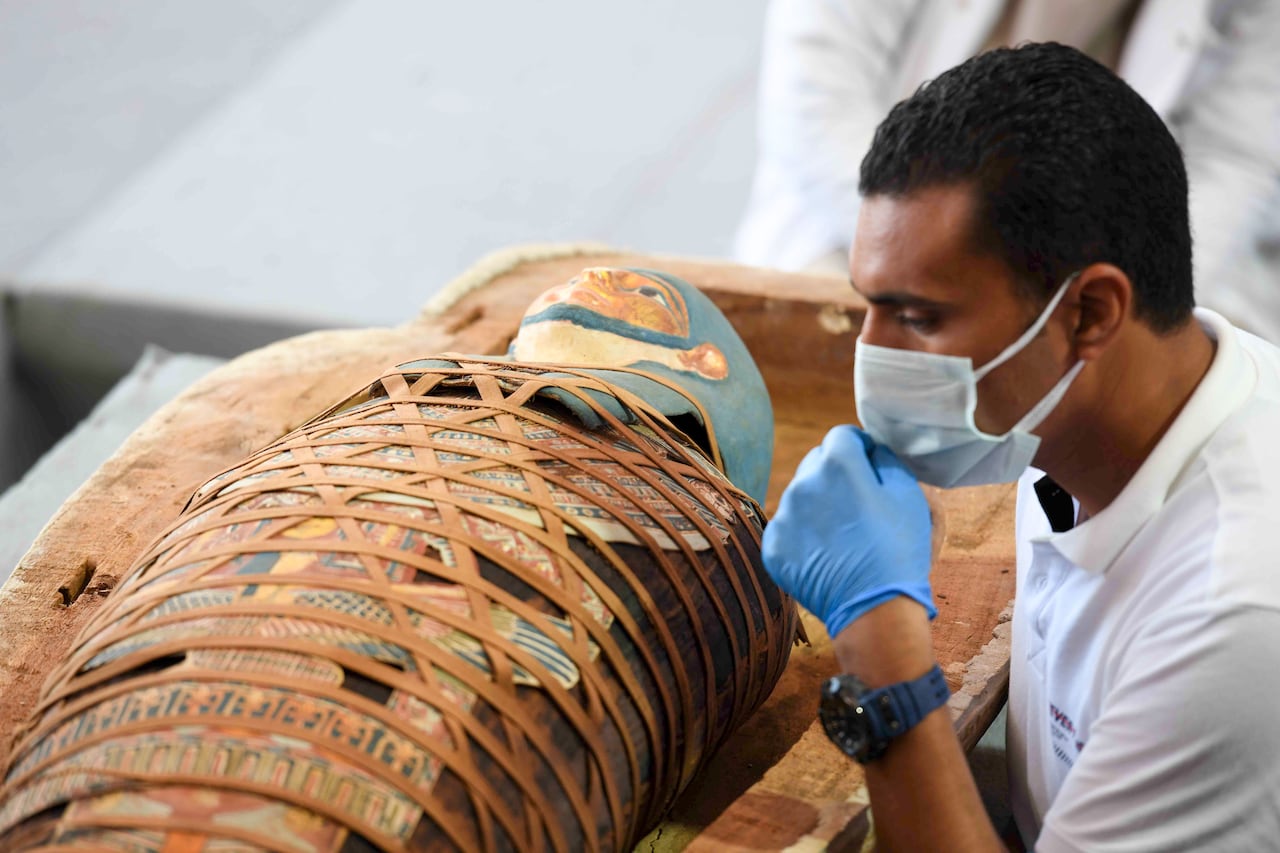
When handling human remains for research, Squires emphasized the importance of using protective equipment to prevent exposure to airborne microorganisms. Some mummified body parts may also contain toxic chemicals like arsenic and mercury from historical embalming fluids.
Health Risks and Historical Cases
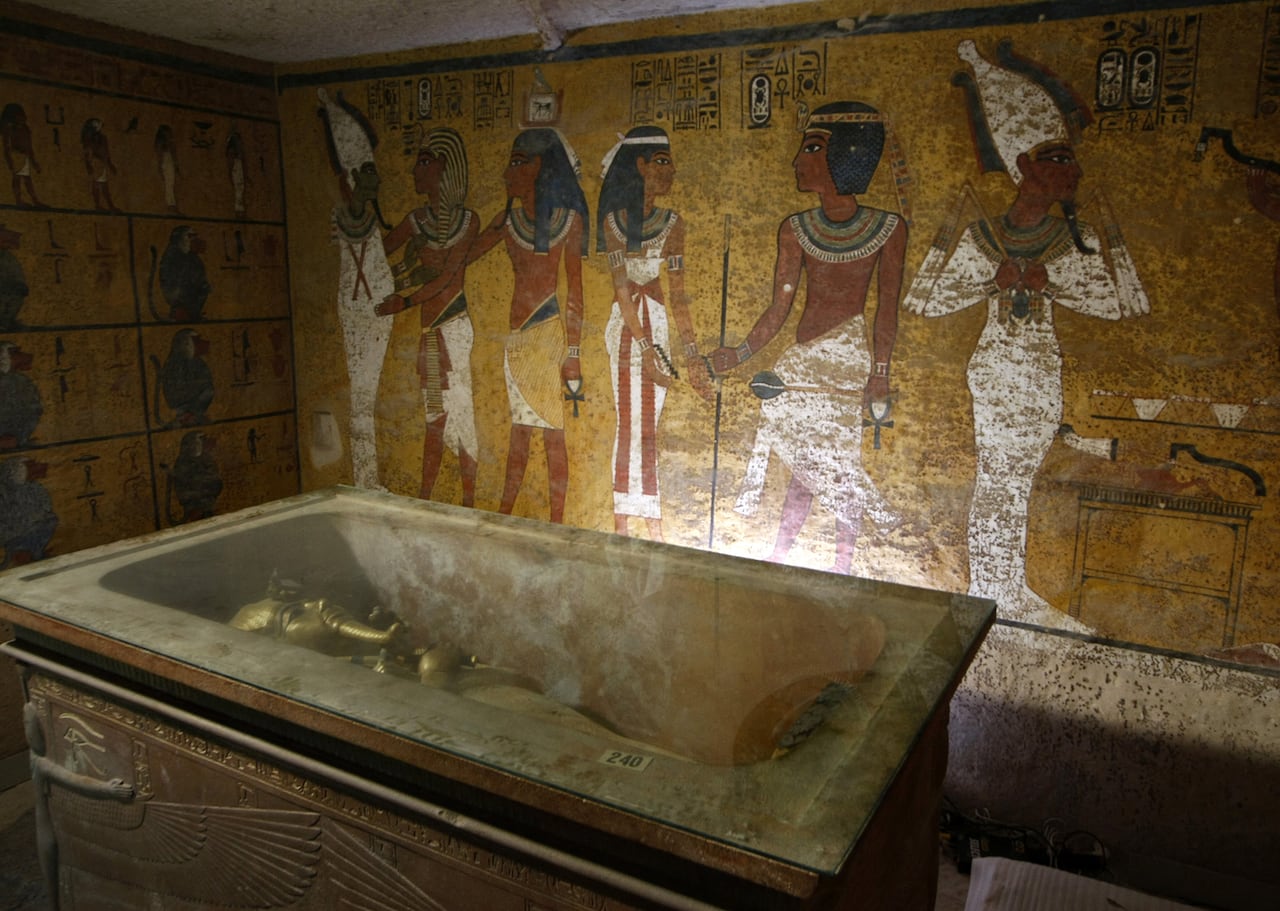
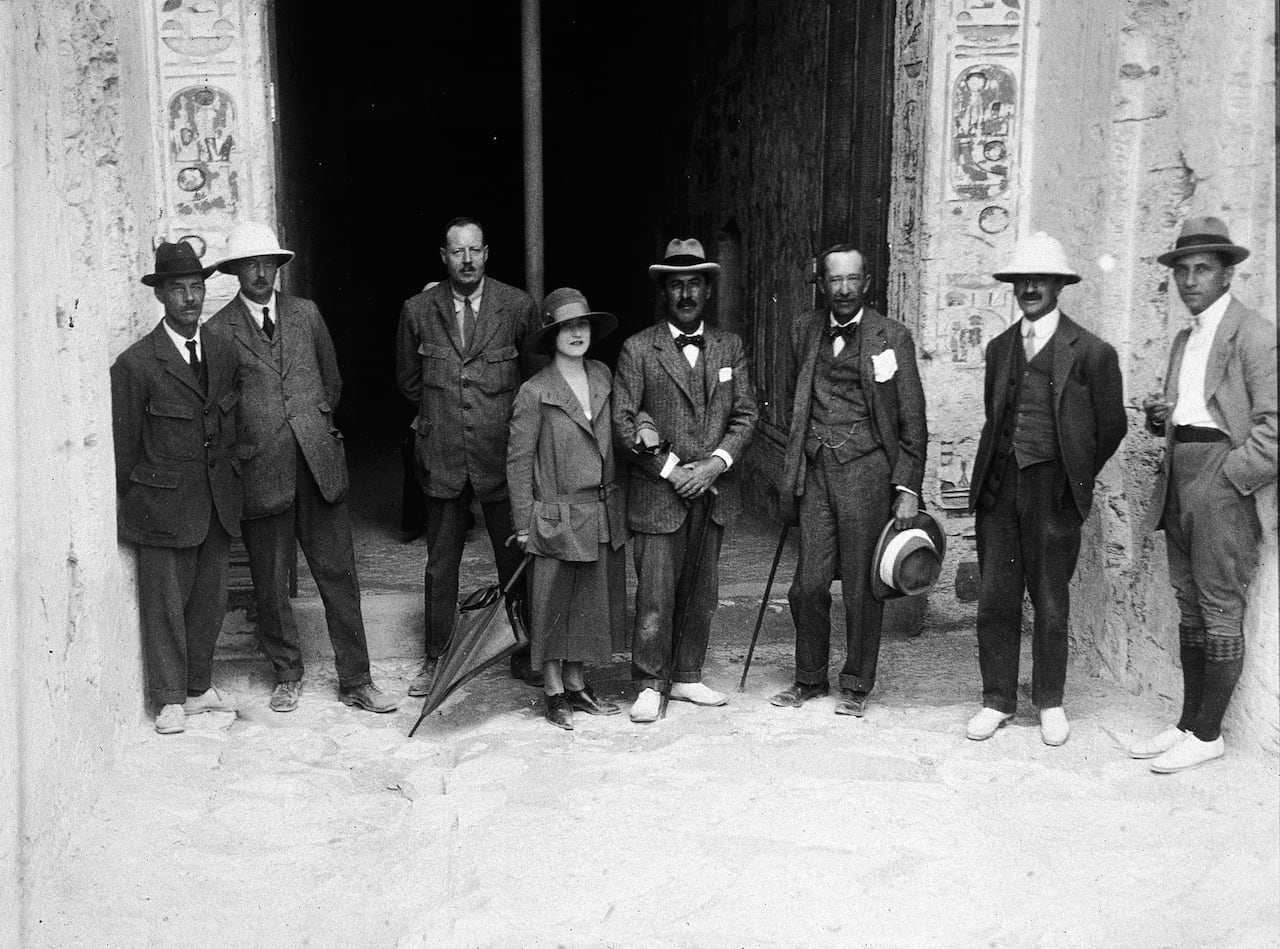
The study did not report any specific cases of individuals falling ill from handling online-sold human remains. However, historical incidents, such as the deaths of scientists exposed to mould spores in a tomb in 1973 and the speculated death of Lord Carnarvon in 1923, raise concerns about potential health hazards associated with handling ancient remains.
James Scott, a professor studying biological hazards, expressed more concern about the ethical implications of trading human remains than the actual health risks. He suggested that collectors who handle such items cautiously and maintain protective enclosures may face minimal health risks.
Online Trade of Human Remains
Among the web posts reviewed, 11 originated from individuals in Canada. Shawn Graham, a digital archaeology professor at Carleton University, highlighted the lack of regulations surrounding the trade of human remains in Canada. While some shipping companies prohibit the mailing of mummified human remains, sellers can easily circumvent these restrictions by mislabeling the packages.
Graham advocated for stricter laws to

